
Working in a laboratory requires care and special attention. With delicate instruments, hazardous chemicals, and open flames, it is important to exercise caution to avoid incidents. The risks posed by hazardous chemicals represent a major risk in the laboratory. So what are the common risks?
Chemical Burns

Corrosive substances can decompose or degrade a number of commonly used materials. Many chemicals used in laboratories are corrosive and therefore pose significant health risks. If a corrosive substance comes into contact with your skin, it will dissolve your flesh and cause severe damage to the tissues. Even if corrosive chemicals are washed off your skin fairly quickly, there is a risk that they will leave irritating chemical burns. Upon contact with the eyes, corrosive substances can also damage the cornea and, in some cases, cause blindness. At https://www.noroitlabo.com/prod/solis/, you will find some preventive measures.
Heat Burns
Heating devices are commonly used in laboratories. They are used to accelerate processes and chemical reactions. As with any activity involving fire, care must be taken to avoid injuries such as heat burns. If your skin is exposed to temperatures above 70 °C, you will suffer a burn. This can happen even if your skin is exposed for as little as one second.
Eye Injuries
When working in a laboratory, it is important to be aware of hazardous chemicals that can harm the eyes. If you do not wear the appropriate personal protective equipment, your eyes could be exposed to chemical splashes. When hazardous chemicals come into contact with your eyes, the extent of the injuries depends on their hazardous properties and the level of exposure. A minor eye injury could be redness and irritation. A more serious eye injury caused by chemical exposure could lead to permanent blindness.
Inhalation of Hazardous Gases
Many hazardous chemicals emit dangerous vapors and gases that are harmful to health. Exposure to these vapors can have acute or chronic effects. Acute effects are those felt immediately after contact with the vapors. Chronic effects are those that are not felt immediately but may occur months or years after the initial exposure. Flammable vapors and corrosive vapors are two examples of hazardous vapors commonly present in laboratories. Inhaling these vapors can cause wheezing, coughing, and shortness of breath. Prolonged exposure to flammable and corrosive vapors may later cause lung cancer.
Glass Cuts
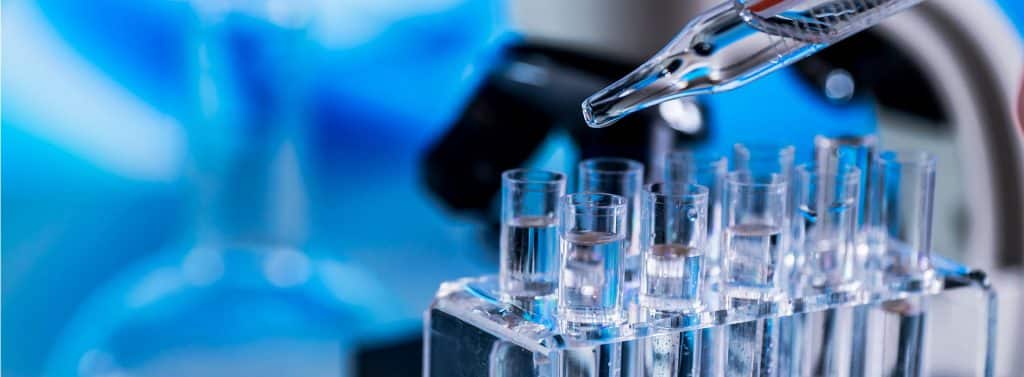
Many laboratory processes require glass to contain and mix hazardous chemicals. When using glassware, there are many instances where it can break and cut your skin. Over time, glass becomes brittle, making it more likely to crack and break. Glassware can break if handled roughly, such as applying too much force when connecting two pieces of glass equipment. Laboratory glassware can also break if not stored in a cabinet with an uneven surface. Broken glass exposes sharp edges, especially when the glass is very thin.