[ et_pb_section fb_built= “1” admin_label= “section” _builder_version= “3.22”] [et_pb_row admin_label= “row” _builder_version= “3.25” background_size= “initial” background_position= “et_left” background_repeat_ ] [pb_column type = “4_4” _builder_version= “3.0.47” custom_padding= “|||” custom_padding__hover= “|||” ] [et_pb_text admin_label= “Article” _builder_version= “4.2.2” background_size= “initial” background_position= “top_left” background_repeat= “repeat” hover_enabled= “0” z_index_tablet= “500” text_shadow_horizontallength_tablet= “0px” text_text_shadow_vertical_length_tablet= “0px” text_text_shadow_blur_strength_tablet= “1px” link_text_shadow_horizontal_length_tablet= “0px” link_text_shadow_vertical_length_tablet= “0px” link_text_shadow_blur_strength_tablet= “1px” ul_text_shadow_horizontal_length_tablet= “0px” shadow_vertical_length_tablet= “0px” ul_text_shadow_blur_strength_tablet= “1px” ol_text_shadow_horizontal_length_tablet= “0px” ol_text_shadow_vertical_length_tablet= “0px” ol_text_shadow_blur_strength_tablet= “1px” quote_text_shadow_horizontal_length_tablet= “0px” quote_text_shadow_vertical_length_tablet= “px” quote_text_shadow_blur_strength_tablet= “1px” header_text_shadow_horizontal_length_tablet= “0px” header_text_shadow_vertical_length_tablet= “0px” header_text_shadow_blur_strength_tablet= “1px” header_2_text_shadow_horizontal_length_tablet= “0px” header_2_text_shadow_vertical_length_tablet= “0px” header_2_text_shadow_blur_strength_tablet= “1px” header_3_text_shadow_horizontal_length_tablet= “0px” header_3_text_shadow_vertical_length_tablet= “0px” header_3_text_shadow_blur_strength_tablet= “1px” header_4_text_shadow_horizontal_length_tablet= “0px” header_4_text_shadow_vertical_length_tablet= “0px” header_4_text_shadow_blur_strength_tablet= “1px” header_5_text_shadow_horizontal_length_tablet= “0px” header_5_text_shadow_vertical_length_tablet= “0px” header_5_text_shadow_blur_strength_tablet= “1px” header_6_text_shadow_horizontal_length_tablet= “0px” header_6_text_shadow_vertical_length_tablet= “0px” header_6_text_shadow_blur_strength_tablet= “1px” box_shadow_horizontal_length_tablet= “0px” box_shadow_vertical_length_tablet= “0px” box_shadow_blur_tablet= “40px” box_shadow_spread_tablet= “0px” use_border_border_color= “off” ]
Belgian Malinois: How many times have I heard: “Ah the Belgian Malinois? It’s the Ferrari of dogs!”. Indeed, the Belgian Malinois, like many herding dogs, is an exceptional dog that loves to work. The Malinois belongs to a breed that has undergone numerous selections. Today’s dogs are the result of over a century of controlled breeding, with particular attention paid to intersection issues. If you are looking to adopt a Malinois, you must understand that it is a dog with exceptional qualities.
Summary
- 1 Physical characteristics of the Belgian Malinois
- 2 Origins and history of the Belgian Malinois
- 3 Belgian Malinois: its physique and health
- 4 Character and skills of the Belgian Malinois
- 5 The Belgian Malinois: its education and behavior
- 6 Other books for the Belgian Malinois:
- 7 Discover other dog breeds:
- 8 Bordeaux Dogue
- 9 Racing Dog
- 10 Pug
Physical characteristics of the Belgian Malinois
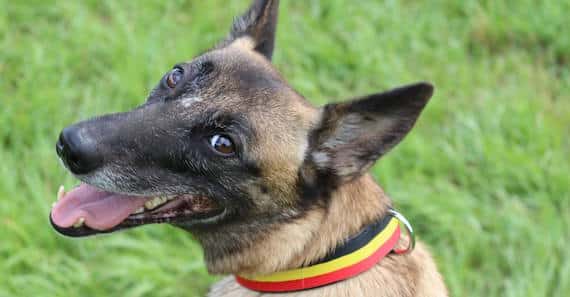
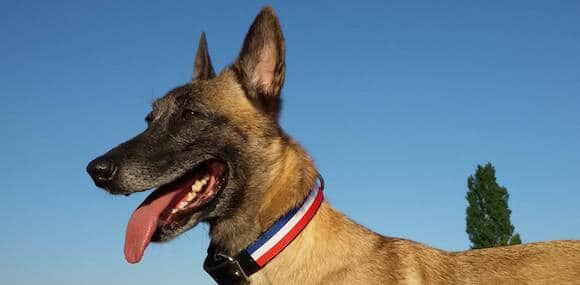
The Belgian Malinois has harmonious physical proportions. It is rustic but medium-sized. It is often compared to the German Shepherd, but it is much lighter, more agile, and smaller than the German Shepherd. On average, the male stands around 62 cm, while the female is about 58 cm. In terms of weight, the male generally weighs between 25 and 35 kg, while the female is lighter at 20-30 kg. The Malinois has short, fawn-colored hair, sometimes sprinkled with anthracite gray. Its mask is always black, and its head is slim, well-defined, and long without exaggeration. For the vast majority, they have dark brown eyes that contrast somewhat with their coat. Like the German Shepherd, its ears are pointed, triangular, and erect, and are usually dark-colored (very often black). The tail is full and carried low, hanging when the dog is at rest and raised when it is in action.
Origins and history of the Belgian Malinois
The history of the Malinois is very recent, just over 130 years. Towards the end of the 19th century, four varieties of herding dogs were selected in Belgium: Tervuren, Groenendael, Laekenois, and Malinois. The group of dogs behind the initiative was led by Professor Adolphe Reul, who worked at the veterinary school of Cureghem. They tried to organize part of the canine genetic heritage of Belgium, which was then very confusing. The first Belgian standard for herding dogs was published in 1892. This would be the true starting point for all breeding to this day. Summary. In 1880 in Belgium, there were a large number of dogs herding flocks. The morphologies, coats, and types were extremely different. It was then decided to call them “country herding dogs”. The Belgian Shepherd Club was born in Brussels in 1891. On November 15 of the same year, A. Reul collected 117 different dogs in Cureghem. Here, the beginning of fierce selection would start. A census was conducted, and they were already sorting the best subjects. On April 3, 1892, the Belgian herding dog club published its first precision standard. Only one breed was admitted, with 3 distinct hair characteristics: long, short, and rough. Despite this, the Belgian Shepherd was still just a second-class dog. In 1899, the selection became even more rigorous, and color differences were emphasized. Three varieties were then defined: a long black coat, a short coat, and a fawn with charcoal, and a hard gray and ash. That year, the Book of Origins of the Royal Society Saint-Hubert (L.O.S.H.) was also opened. It would become the Belgian reference in dog breeding.
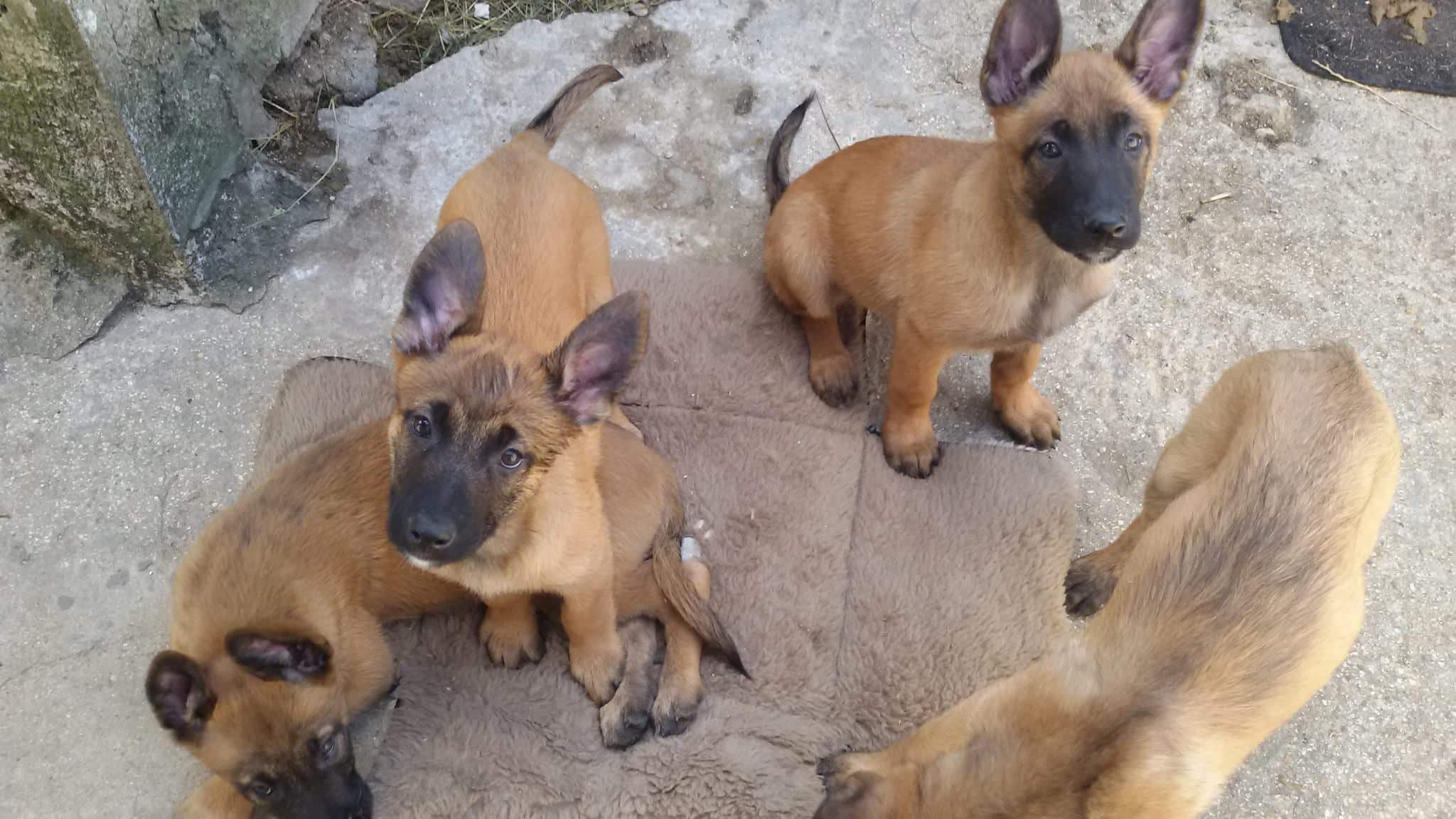 In 1901, the first Belgian shepherds were finally admitted to the Book of Origins. The following years were devoted to the “purification” of the breed. The leaders of the dog clubs worked tirelessly to unify the type and correct the defects of the Belgian shepherd. It was in 1909 that the fawn short-haired type, also known as the “Malinois”, was officially recognized. A year later, the type and temperament of the Belgian shepherd were established. This was rather late, as there had never been any disagreement among men regarding character, morphology, and work aptitude. What really uprooted the problem was the question of various varieties and colors at the beginning of the century. In 1969, a Malinois was proclaimed champion of France for the first time in the ring (a competition awarding the character, agility, and strength of dogs).
Belgian Malinois: its physique and health
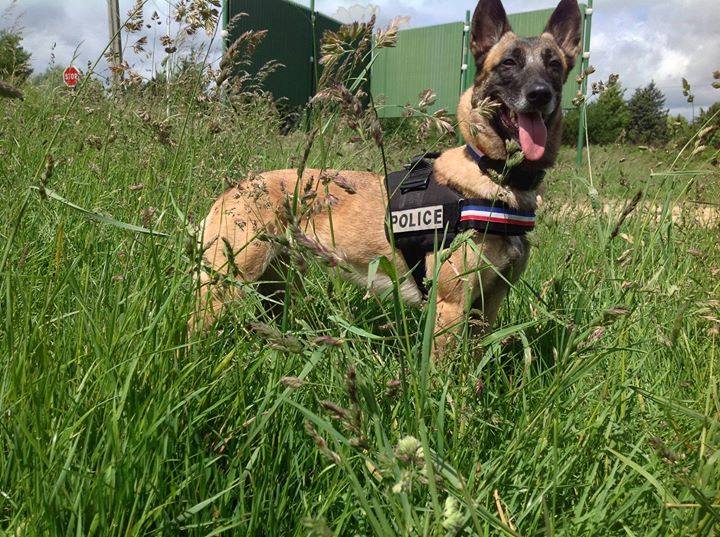
The Belgian Malinois enjoys both the outdoors and indoors. However, it would prefer to live in a house with a garden rather than in an apartment, as it has a great need for exercise. Otherwise, you will need to think about taking it out relatively often. It is active and lively, wants and needs to be cared for! It will not be satisfied with a life in a basket; it lives for a hundred hours. It is a dog called “rustic,” and particularly robust. There are no health issues specific to the breed, which results in a life expectancy of between 12 and 14 years. Thanks to its short hair, grooming will be easier, so it will cost you very little in terms of maintenance. The budget will be more focused on the initial purchase. Due to strong breeding control, the Malinois is still today a medium-sized and medium-heavy dog. What makes it an exceptional dog are its physical, physiological, and psychological abilities. Among the four Belgian Shepherd breeds, the Malinois is the most reactive and athletic. Since the end of the 19th century, it has been known for its cunning and otherworldly charm. It excels in many disciplines supervised by the Central Canine Society (CSC). That is, agility, obedience, ring, tracking, debris digging, and biting. Its wolf-like physique and extraordinary skills make it an obvious choice for dog teams. Far from the homestead, the Malinois is used by the police, gendarmerie, military, and intervention units GIGN. Its speed, endurance, and sense of smell are primarily used in avalanches and in the search for drugs and explosives.
Character and skills of the Malinois
From the beginning, Malinois have shown very similar attitudes to herding dogs: dynamic, attentive, alert, and very attached to their master and family. But it has quickly developed as a defense dog. It has not evolved, like most herding dogs, into an imposing physique that gives an illusion of solidity. It is an accomplished guard dog, both at the police level and at a private level.
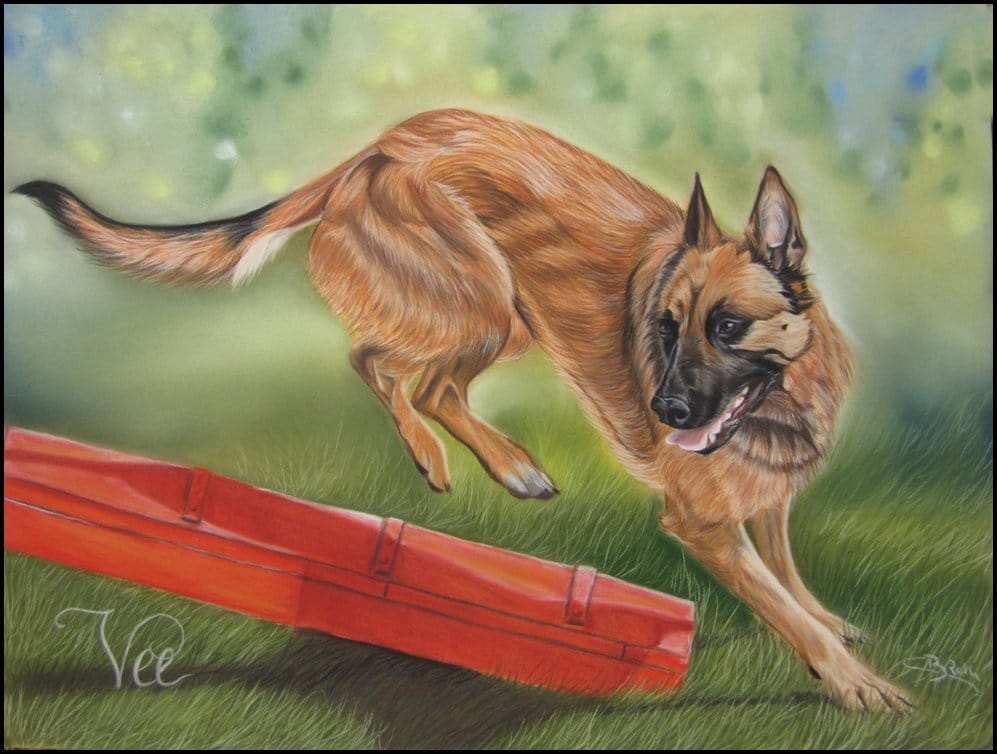 Animal Painter
It is a relatively nervous dog, very active, and extremely intelligent. It is obedient, and therefore easy to train. It is versatile in its skills, making it suitable for many jobs. It is particularly popular for its agility, rivaling, or almost, with the famous Border Collie. In Belgium, it is widely used as a police dog but remains a loyal companion. It is playful, docile, and cheerful, and gets along very well with children. The Malinois will be able to live up to all the tasks you present to it.
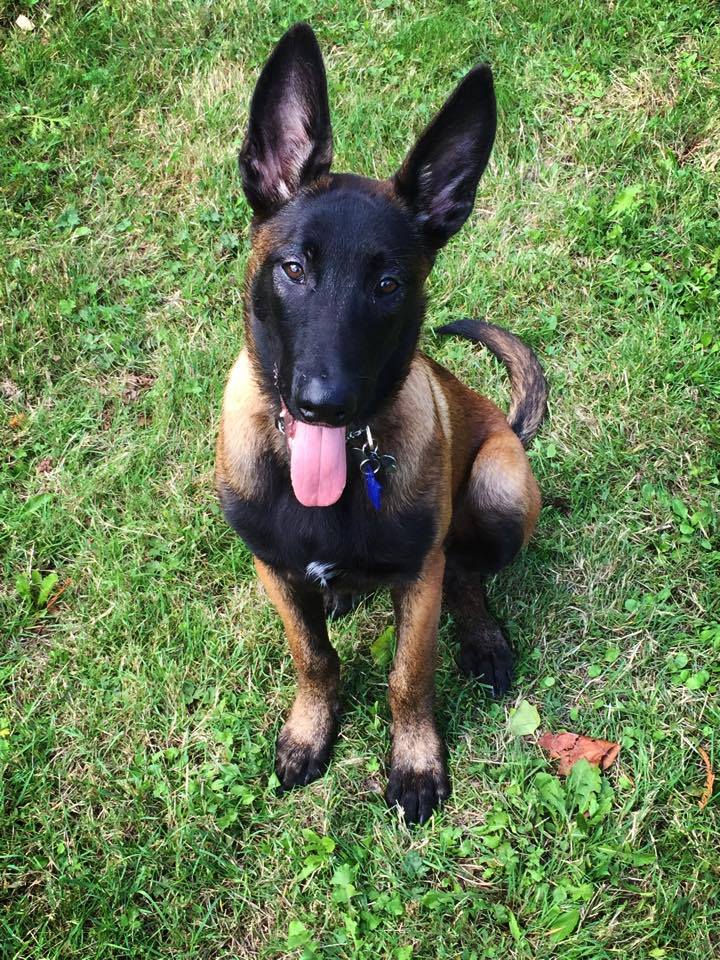
Belgian Malinois: its education and behavior
The Belgian Malinois is considered a relatively easy breed to train. And this is where all the selection done over more than a century shines. If your dog’s pedigree is approved, you can be sure to get the best out of it. The only minor behavioral issue that this breed may have is exacerbated nervousness. It will later encounter some difficulties during its training due to excessive distrust of its trainer. You must persevere; it is passionate and knows how to learn, and you will need to regularly ask it to be obedient. Malinois protect those they consider family, so it must be trained gently while maintaining some firmness. It is wise to avoid any incident during its youth; it can be brusque. Do not try to intimidate it with your voice, let alone with brutality; this can quickly affect its character, and it may become aggressive or fearful. Emphasize trust and mutual respect. It can exceed 50 km/h, so it is important to keep it close to you. Once properly trained, it will live only for its master, so make sure to communicate with your dog. Even a wink or oral stress can create a bond between you. Once its territory is defined, it will be very protective and can confront intruders. It is important to teach them to react accordingly to avoid hasty aggression. It is important to have a balanced and sociable Malinois. Its playful side should be exploited here. It is particularly a bit aggressively misplaced with other male dogs, so do not hesitate to take it regularly to the city and bring it to a puppy school. It should be able to meet people without constantly being suspicious.
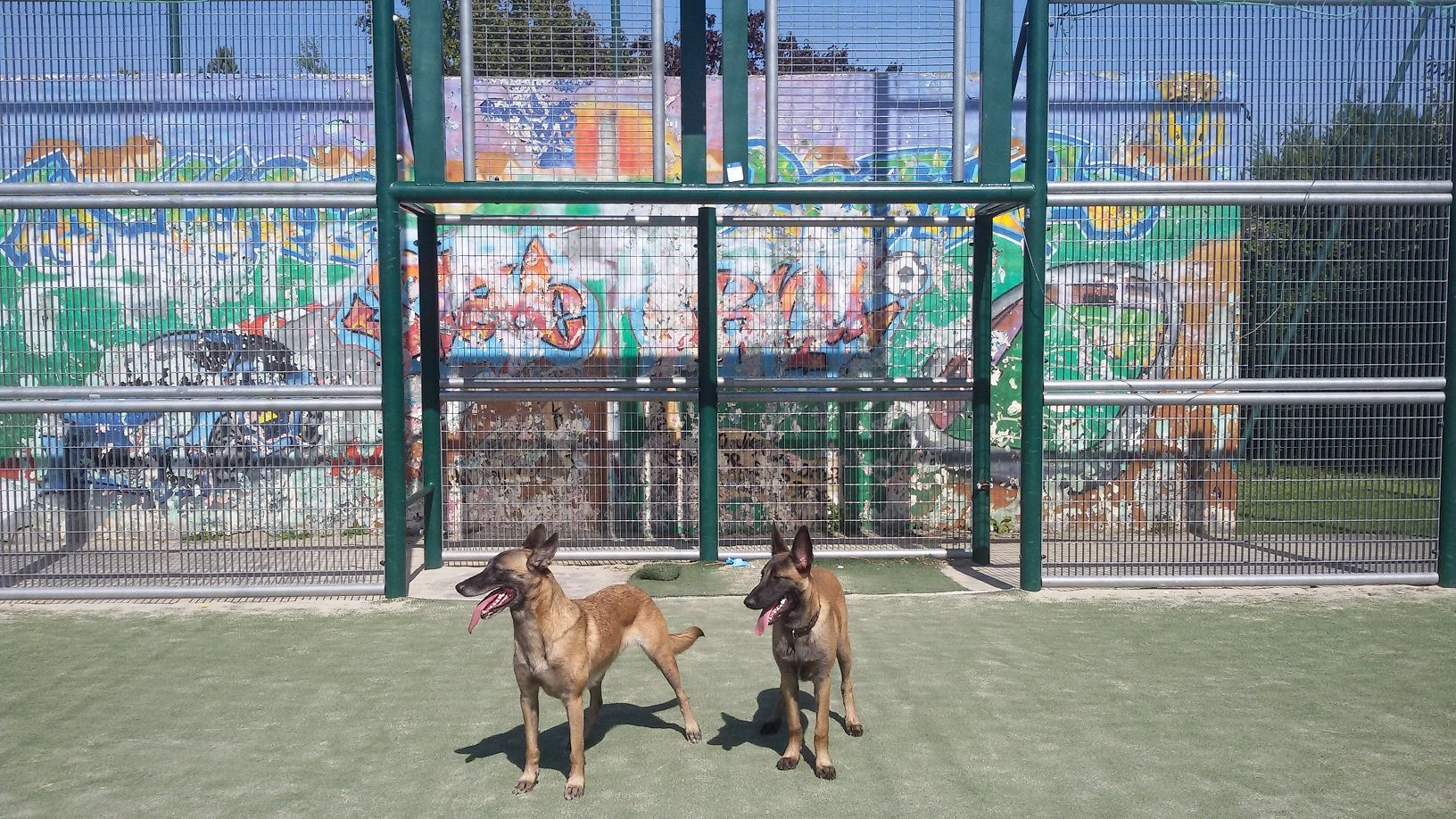 The Malinois is not necessarily recommended as a first dog, although it is docile and easy to train. Louis Huyghebaert, who played a significant role in the history of the Belgian shepherd in general, summarizes the qualities of this breed very well: “The Belgian Malinois is a dog of rare intelligence, having enough nose to discover under a basket the handkerchief that its master would give it to sniff and hide without its knowledge.”
Credits/Photos: The method of firearms on Youtube and Facebook of the method of firearms
[ /et_pb_text] [et_pb_divider color= “#000000” disabled_on= “on|on|off” _builder_version= “3.2” hide_on_mobile= “on”] [/et_pb_divider] [et_pb_text _builder_version= “3.27.4” background_size= “initial” background_position= “background_position” background_repeat= “repeat” use_border_color= “off” border_color= “#ffffff” border_style= “solid”]
Other books for the Belgian Malinois:
[ /et_pb_text] [/et_pb_column] [/et_pb_row] [et_pb_row column_structure= “1_3,1_3” _builder_version= “3.25” background_size= “initial” background_position= “top_left” background_repeat= “repeat”] [et_pb_column type= “1_3” _builder_version= “3.0.47” custom_padding= “|||” custom_padding__hover= “|||” ] [et_pb_text _builder_version= “3.27.4” background_size= “initial” background_position= “top_left” background_repeat= “repeat” use_border_color= “off” border_color= “#ffffff” border_style= “solid”]
 To buy it on Amazon Click here
[ /et_pb_text] [/et_pb_column] [et_pb_column type= “1_3” _builder_version= “3.0.47” custom_padding= “|||” custom_padding__hover= “|||” ] [et_pb_text _builder_version= “3.27.4” background_size= “initial” background_position= “top_left” background_repeat= “repeat” use_border_color= “off” border_color= “#ffffff” border_style= “solid”]
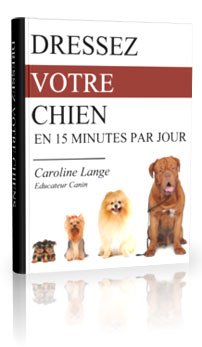 Click here for more information
[ /et_pb_text] [/et_pb_column] [et_pb_column type= “1_3” _builder_version= “3.0.47” custom_padding= “|||” custom_padding__hover= “|||” ] [et_pb_text _builder_version= “3.27.4” background_size= “initial” background_position= “top_left” background_repeat= “repeat” use_border_color= “off” border_color= “#ffffff” border_style= “solid”]
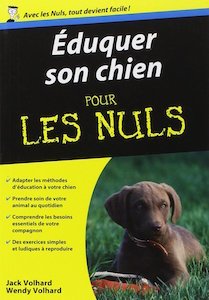 Click here to buy it on Amazon
[ /et_pb_text] [/et_pb_column] [/et_pb_row] [et_pb_row _builder_version= “3.25” background_size= “initial” background_position= “top_left” background_repeat= “repeat”] [et_pb_column type= “4_4” _builder_version= “3.0.47” custom_padding= “|||” custom_padding__hover= “|||” ] [et_pb_divider color= “#000000” disabled_on= “on|on|off” _builder_version= “2” hide_on_mobile= “on”] [/et_pb_divider] [et_pb_text _builder_version= “3.27.4” background_size= “initial” background_position= “top_left” background_repeat= “repeat” use_border_color= “off” border_color= “#ffffff” border_style= “solid”]
Discover other dog breeds:
[ /et_pb_text] [/et_pb_column] [/et_pb_row] [et_pb_row column_structure= “1_3,1_3” _builder_version= “3.25” background_size= “initial” background_position= “top_left” background_repeat= “repeat”] [et_pb_column type= “1_3” _builder_version= “3.0.47” custom_padding= “|||” custom_padding__hover= “|||” ] [et_pb_text _builder_version= “3.27.4” background_size= “initial” background_position= “top_left” background_repeat= “repeat” use_border_color= “off” border_color= “#ffffff” border_style= “solid”]
 Bordeaux Dogue
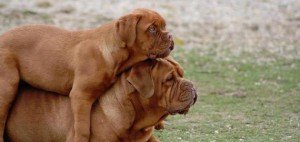 Bordeaux Dogue
[ /et_pb_text] [/et_pb_column] [et_pb_column type= “1_3” _builder_version= “3.0.47” custom_padding= “|||” custom_padding__hover= “|||” ] [et_pb_text _builder_version= “3.27.4” background_size= “initial” background_position= “top_left” background_repeat= “repeat” use_border_color= “off” border_color= “#ffffff” border_style= “solid”]
Cane Corso
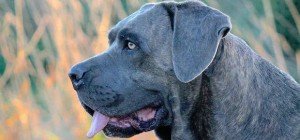 Cane Corso
[ /et_pb_text] [/et_pb_column] [et_pb_column type= “1_3” _builder_version= “3.0.47” custom_padding= “|||” custom_padding__hover= “|||” ] [et_pb_text _builder_version= “3.27.4” background_size= “initial” background_position= “top_left” background_repeat= “repeat” use_border_color= “off” border_color= “#ffffff” border_style= “solid”]
****11 Pug
[ /et_pb_text] [/et_pb_column] [/et_pb_row] [/et_pb_section]
4.5/ 5(19votes)
Tag: Caucasian shepherd