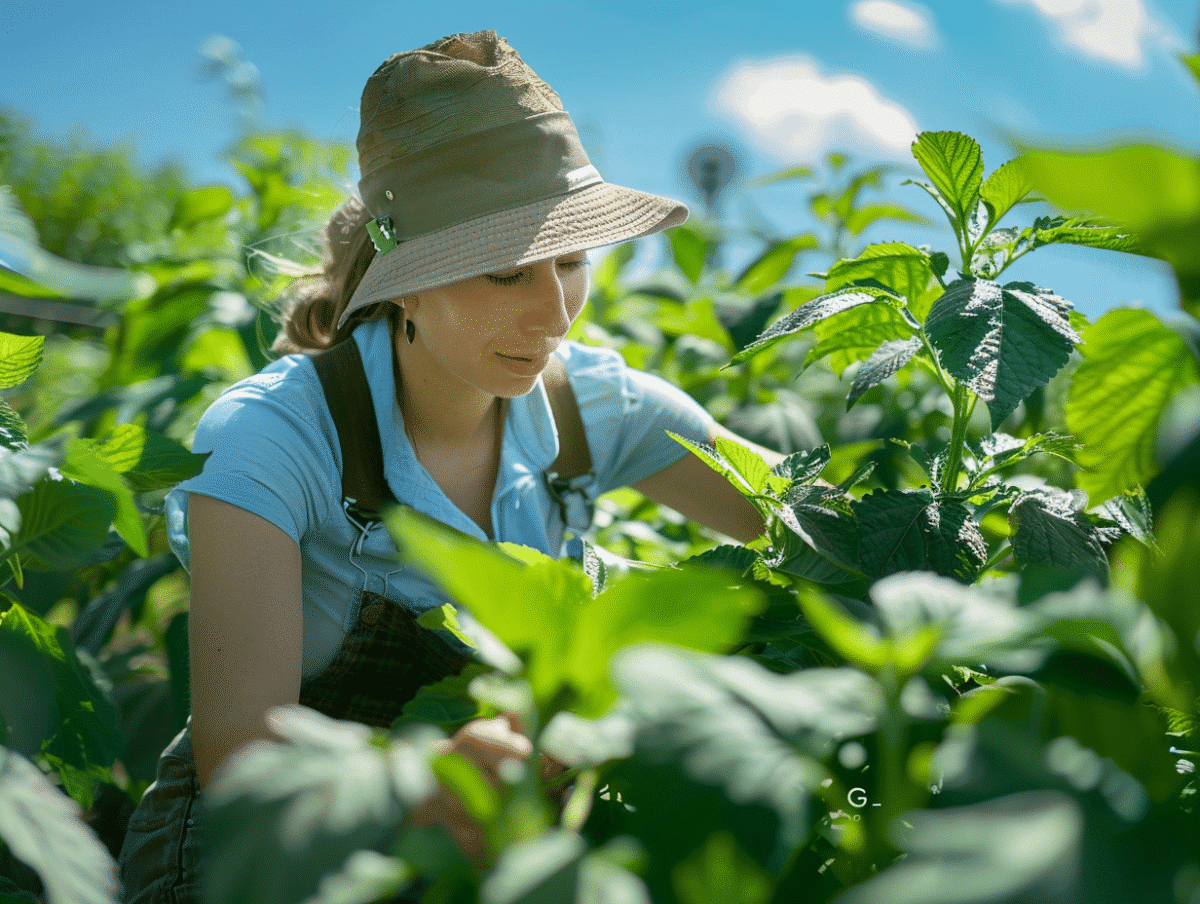
Agriculture, often associated with traditional images of rolling fields and golden harvests, hides a multitude of unsuspected professions that remain in the shadow of tractors and combine harvesters. These lesser-known jobs are, however, the backbone of modern agriculture, combining ancestral know-how with technological innovations. Behind every product that lands on the shelves, there are agricultural biotechnology experts, agricultural equipment engineers, and agroecology specialists, who work to optimize yields while preserving natural resources. These professionals play a fundamental role in addressing current global food challenges.
Discovering the Unusual Professions in Agriculture
In the landscape of the agricultural sector, a major player in the national economy, there are professions that, far from merely driving machinery or manual harvesting, require sharp expertise often unknown to the general public. Among them is the inseminator, a professional in animal reproduction, whose role is crucial for the sustainability of livestock farming. Mastering assisted reproduction techniques, these experts contribute to the genetic improvement of herds, essential for a sector constantly seeking efficiency and quality.
The Salon de l’Agriculture, an annual showcase of this professional diversity, highlights these jobs often overshadowed by more traditional professions. This major Parisian event is not only an opportunity for producers to present their best specimens but also a privileged space for meetings and exchanges for professionals in the sector, including those working in specialized fields.
The agricultural equipment sector, for example, with its 5,000 unfilled positions each year, illustrates the gap between the perception of work in agriculture and the reality of an industry in constant technological evolution. Jobs like agricultural robotics technician or geographic information systems developer are essential to meet modern agricultural challenges, such as resource optimization or product traceability.
These professions, which combine knowledge of the land with mastery of the most advanced technological tools, are the backbone of modern and competitive agriculture. Work-study training plays a central role in preparing for these future careers, providing learners with a learning environment where theory and practice interact to train the specialists that the sector urgently needs.
The Agricultural Professions of Tomorrow: Between Tradition and Innovation
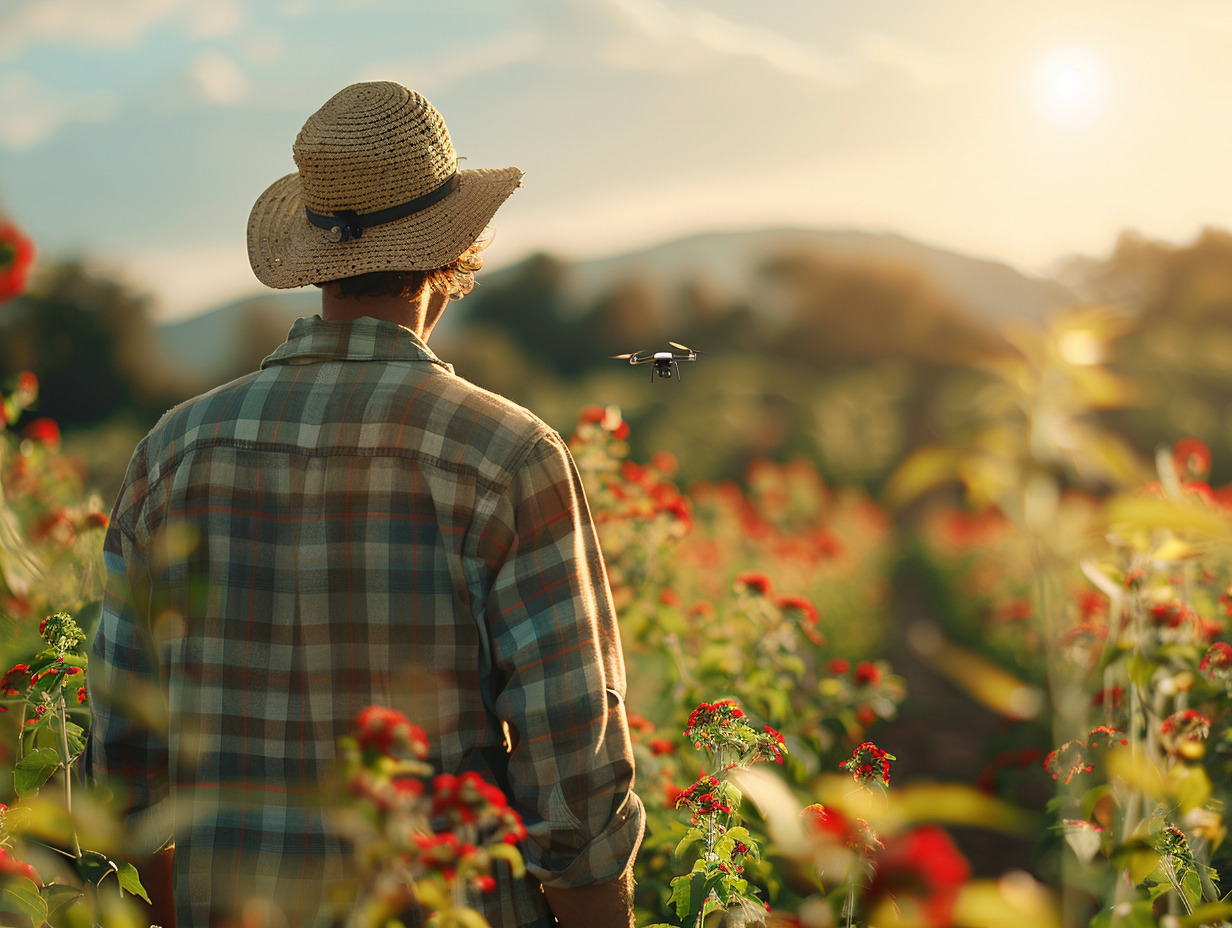
The convergence of new technologies and ancestral agricultural practices is causing an unprecedented transformation of land-based professions. On one hand, cutting-edge tools such as automatic milking robots, herd counting applications, and crop surveillance drones are shaping a new profile of farmer, both a guardian of tradition and a technological pioneer. These innovations, far from replacing human expertise, enhance it, making it more precise and efficient, perfectly aligned with contemporary demands for productivity and environmental respect.
The agricultural sector, which must adapt to new environmental standards and the growing demand for organic production, seeks to attract profiles capable of navigating between these two worlds. Work-study programs prove to be incubators of skills, combining academic theory with immersion in the reality of agricultural operations. This hands-on pedagogy, learning by doing, is a suitable response to the needs for specialized training for jobs such as technical sales representative in agro-supply or agricultural management advisor.
The future professions in agriculture are not limited to fieldwork and livestock farming. They extend to the food and timber sectors, seeking specialized skills ranging from sustainable forest management to food process engineering. The agricultural economic fabric reveals itself to be a fertile ground for careers that combine a sense of innovation with ecological awareness, professions that are essential to meet the challenges of a changing society, attentive to the harmony between humans and their environment.